

Chain Conveyors
-

Trough and scraper chain conveyors
Trough Chain Conveyors are primarily used to convey bulk materials. They are very hard-wearing, low-maintenance conveyor systems designed for continuous operation. In addition to simple horizontal conveying, they can also be used for inclined conveyors and conveyors with curves. Moreover, other operations can be integrated, such as:
• Collecting and distributing
• Screening
• Bunker discharge
• Air cooling/ water cooling -

Trough chain conveyors mechanical conveying
TROUGH CHAIN CONVEYORS
for horizontal transport or transport on a slight upward incline
Chain conveyors transport floury, grainy and lumpy bulk materials horizontally or on a slight upward incline. Chain con-veyors can also be used as intake chain conveyors and for silo discharge -
Trough chain conveyor for bulk materials
Trough chain conveyors are used for horizontal transport of grain and legumes and consist of a drive station and a tensioning station. In between, an endless chain with lateral carriers ensures gentle transport of the bulk material. Trough chain conveyors, also known as redlers, are a versatile component of almost any grain processing system. In combination with elevators, silos and augers, versatile conveying paths can be mapped out.
-

Trough chain conveyors for wood chips
chain conveyors for transporting wood biomass, including softwood bark, wood chips, sawdust, and forest residues
-

Trough chain conveyors for sawdust
The three different models (painted sheet steel, galvanised sheet steel, and stainless steel) are used for products such as trough chain conveyors, pipe conveyors, and filter frames/walls. These material options allow the product to be adapted for specific environmental conditions.
The different applications are specified as:
• Painted sheet steel for indoor applications.
• Galvanised sheet steel for outdoor applications.
• Stainless steel for transporting aggressive products and for use in the food sector.
This choice of material ensures durability and corrosion resistance depending on where the product is installed and what substances it handles. -
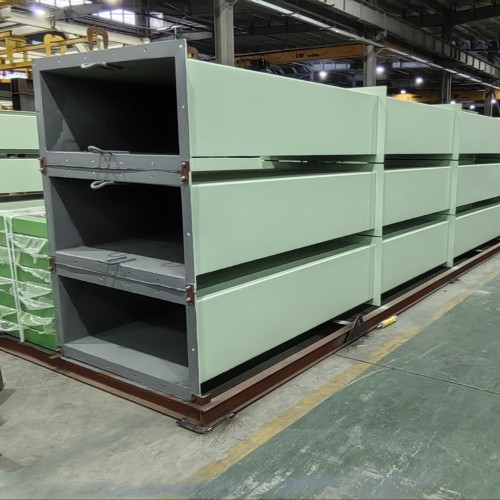
Troughed chain conveyors for sawdust
The three different models (painted sheet steel, galvanised sheet steel, and stainless steel) are used for products such as trough chain conveyors, pipe conveyors, and filter frames/walls. These material options allow the product to be adapted for specific environmental conditions.
The different applications are specified as:
• Painted sheet steel for indoor applications.
• Galvanised sheet steel for outdoor applications.
• Stainless steel for transporting aggressive products and for use in the food sector.This choice of material ensures durability and corrosion resistance depending on where the product is installed and what substances it handles.
-
chain conveyors for sawdust
chain conveyors for transporting wood biomass, including softwood bark, wood chips, sawdust, and forest residues
-
chain conveyors for wood chips
The trough chain conveyors and scraper chain conveyors from our chain conveyor product range impress with their high efficiency and cost-effectiveness. Thanks to their particularly low-maintenance and robust properties, the operating process of your entire recycling and processing plant benefits. Our trough chain conveyors and scraper chain conveyors are suitable for processing electrical cables as well as waste and bulk materials such as road grit or sand.
-
chain conveyors for softwood bark
chain conveyors for transporting wood biomass, including softwood bark, wood chips, sawdust, and forest residues
-

chain conveyors for sawdust
chain conveyors for transporting wood biomass, including softwood bark, wood chips, sawdust, and forest residues
-
chain conveyors for wood biomass
chain conveyors for transporting wood biomass, including softwood bark, wood chips, sawdust, and forest residues
-

chain conveyors for forest residues
chain conveyors for transporting wood biomass, including softwood bark, wood chips, sawdust, and forest residues